
Case Studies
Case Studies
Case Studies
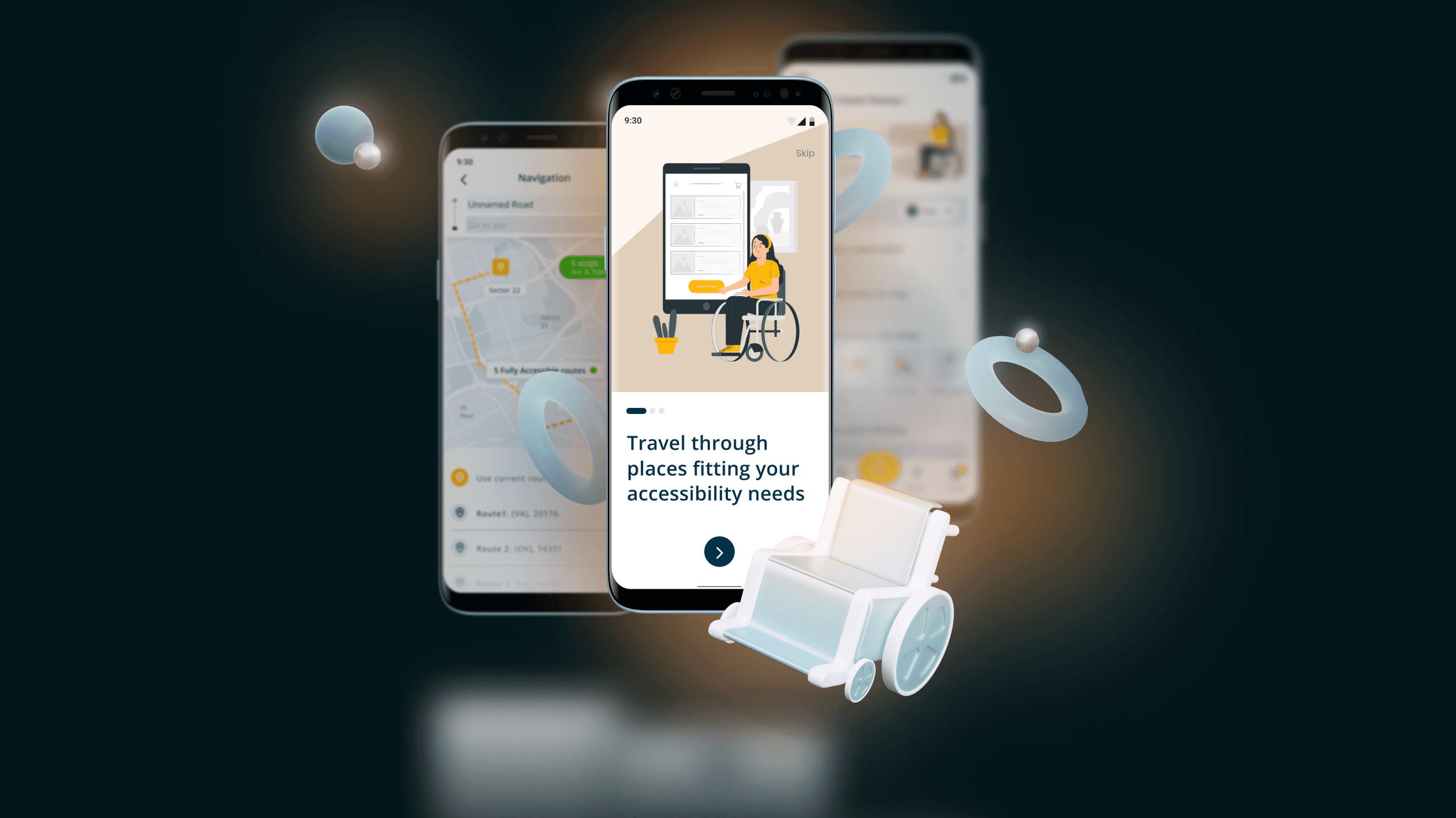
On-Demand Service: Inclusive Mobility
A seamless and accessible assistance service to people with mobility impairments, using Geo-location, On-demand service & real-time tracking, and feedback mechanisms it helps users commute or navigate an environment.

Class Room Project
2 Weeks
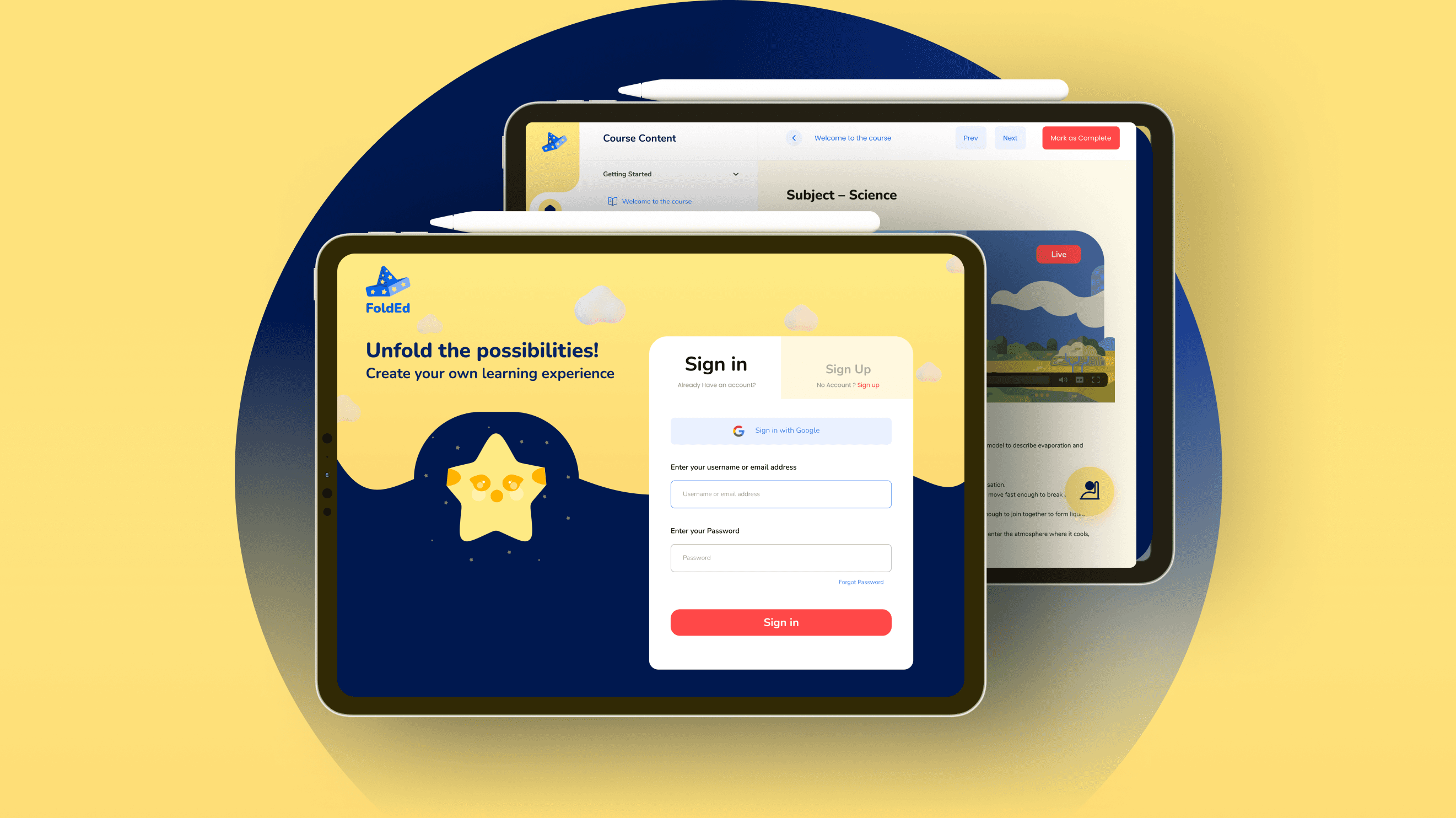
FoldEd: A Personalized Learning Classroom System
Ambient classroom space with innovative interventions such as personalized learning paths, gamified elements, and the integration of AI-driven content recommendation.

Class Room Project
1 Month
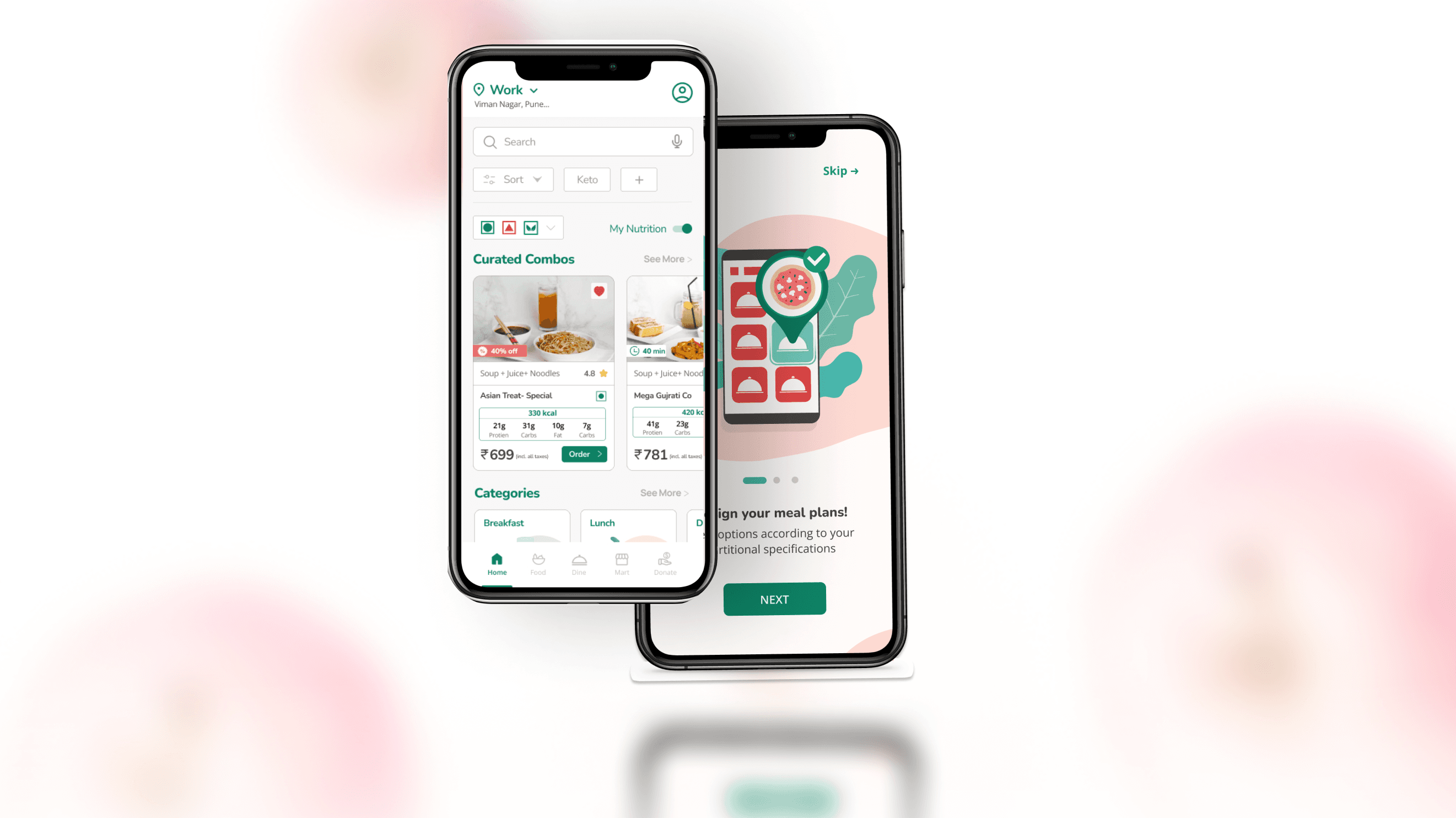
Safe Eats: Food delivery app catering to dietary requirements
food items specially curated/personalized according to the user’s nutritional needs, enabling them to see nearby restaurants catering to their requirements.

Competition Project

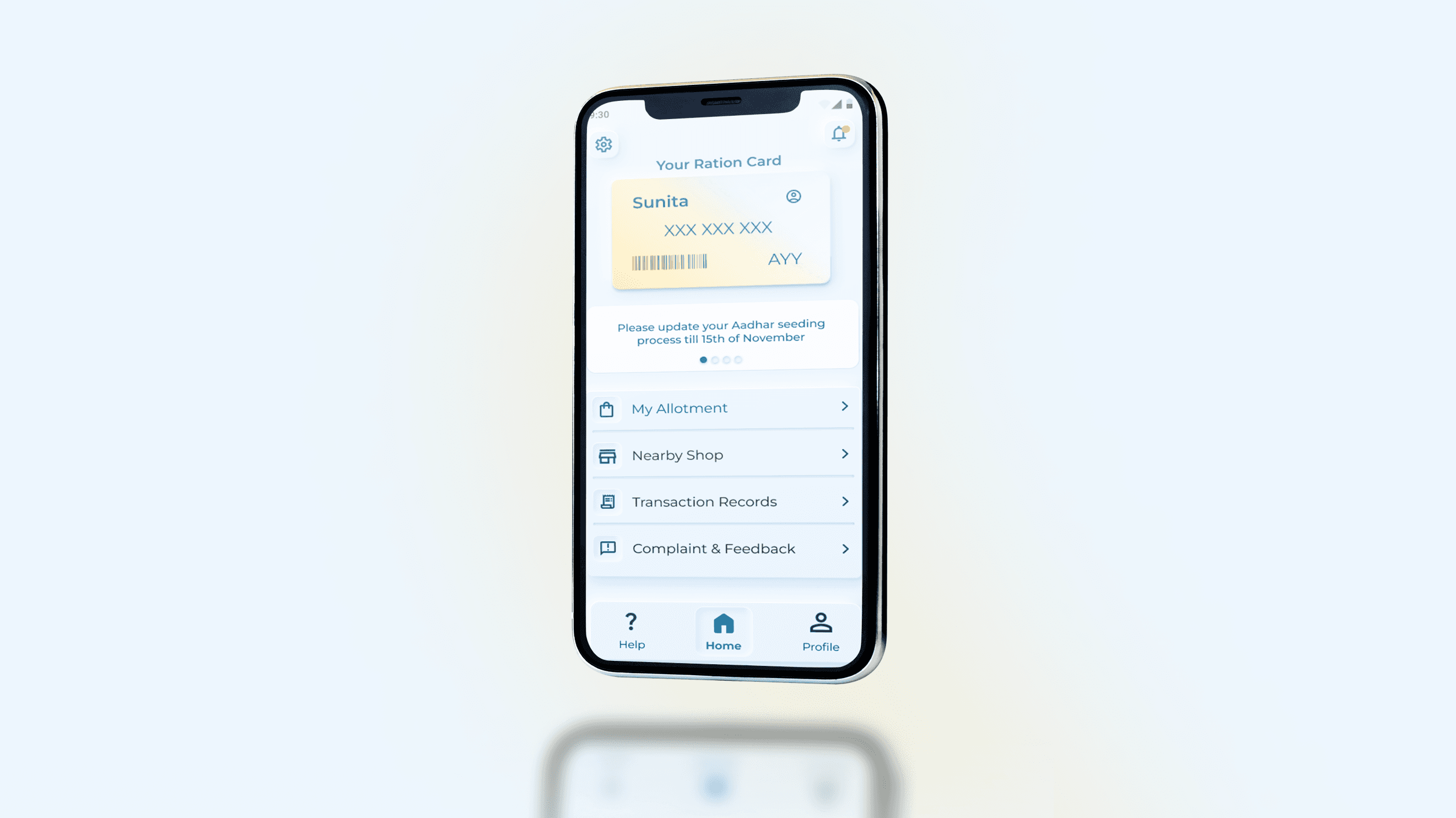
Ration notification & grievance redressal app
A Simplistic & efficient grievance redressal for FPS beneficiaries with information/alerts concerning the availability, records of billing the rations.

Class Room Project
1 month

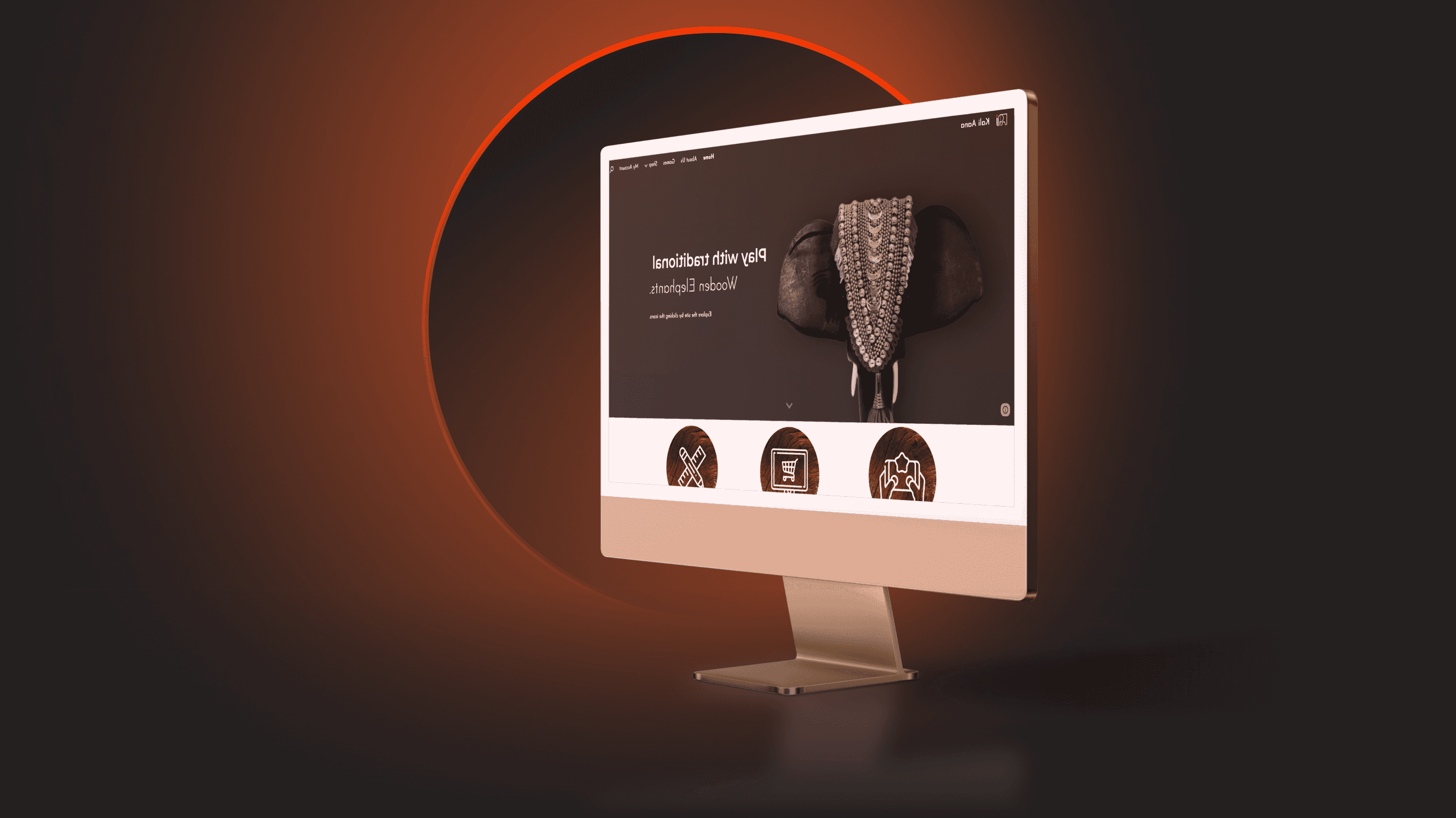
Kali Aana: Promoting Traditional Craft through E-commerce
Captivating children and expanding the toy’s reach by incorporating interactive games, quizzes, and videos to foster a connection to their cultural Heritage.
Class Room Project
2 weeks
Kali Aana: Promoting Traditional Craft through E-commerce
Captivating children and expanding the toy’s reach by incorporating interactive games, quizzes, and videos to foster a connection to their cultural Heritage.
Class Room Project
2 weeks
Ration notification & grievance redressal app
A Simplistic & efficient grievance redressal for FPS beneficiaries with information/alerts concerning the availability, records of billing the rations.
Class Room Project
1 Month
Safe Eats: Food delivery app catering to dietary requirements
food items specially curated/personalized according to the user’s nutritional needs, enabling them to see nearby restaurants catering to their requirements.
Class Room Project
1 Month
FoldEd: A Personalized Learning Classroom System
Ambient classroom space with innovative interventions such as personalized learning paths, gamified elements, and the integration of AI-driven content recommendation.
Class Room Project
1 Month
My Design Process
When stating a design project I follow the Design Thinking Processes that enables iteration and research at every stage of the the project simulating the Lean methodology of product development.
01
Empathize
During the empathize phase of the project, we began brainstorming various facets of the topic, each topic then became a key insight to do secondary research through a literature review, helping to construct an analysis of the various literature collected.
Define
Synthesizing and analyzing the primary data collected, we came up with the gap in the literature and used various problem analysis methods; the understanding from this stage helped in formulating a design statement that reflects the pretext of the subject.
02
Ideate
Ideation had begun with listing out novel concepts and doing a concept rating, then benchmarking existing features of the competitors as well as general application features. Then we finalized our solution’s interaction type and micro interactions.
03
Create
At the creation stage we started with a mood board, then low fidelity wire-frames on paper, then we prototyped the screen to help us understand to an extent the real-life working of the solution.We then did usability testing.
04
01
Empathize
During the empathize phase of the project, we began brainstorming various facets of the topic, each topic then became a key insight to do secondary research through a literature review, helping to construct an analysis of the various literature collected.
Define
Synthesizing and analyzing the primary data collected, we came up with the gap in the literature and used various problem analysis methods; the understanding from this stage helped in formulating a design statement that reflects the pretext of the subject.
02
Ideate
Ideation had begun with listing out novel concepts and doing a concept rating, then benchmarking existing features of the competitors as well as general application features. Then we finalized our solution’s interaction type and micro interactions.
03
Create
At the creation stage we started with a mood board, then low fidelity wire-frames on paper, then we prototyped the screen to help us understand to an extent the real-life working of the solution.We then did usability testing.
04
01
Empathize
During the empathize phase of the project, we began brainstorming various facets of the topic, each topic then became a key insight to do secondary research through a literature review, helping to construct an analysis of the various literature collected.
Define
Synthesizing and analyzing the primary data collected, we came up with the gap in the literature and used various problem analysis methods; the understanding from this stage helped in formulating a design statement that reflects the pretext of the subject.
02
Ideate
Ideation had begun with listing out novel concepts and doing a concept rating, then benchmarking existing features of the competitors as well as general application features. Then we finalized our solution’s interaction type and micro interactions.
03
Create
At the creation stage we started with a mood board, then low fidelity wire-frames on paper, then we prototyped the screen to help us understand to an extent the real-life working of the solution.We then did usability testing.
04
01
Empathize
During the empathize phase of the project, we began brainstorming various facets of the topic, each topic then became a key insight to do secondary research through a literature review, helping to construct an analysis of the various literature collected.
Define
Synthesizing and analyzing the primary data collected, we came up with the gap in the literature and used various problem analysis methods; the understanding from this stage helped in formulating a design statement that reflects the pretext of the subject.
02
Ideate
Ideation had begun with listing out novel concepts and doing a concept rating, then benchmarking existing features of the competitors as well as general application features. Then we finalized our solution’s interaction type and micro interactions.
03
Create
At the creation stage we started with a mood board, then low fidelity wire-frames on paper, then we prototyped the screen to help us understand to an extent the real-life working of the solution.We then did usability testing.
04
My Design Process
When stating a design project I follow the Design Thinking Processes that enables iteration and research at every stage of the the project simulating the Lean methodology of product development.
01
Discover
Brainstorming sessions in order to take their needs and company goals into account. Define the scope and objectives of the project and lays a fundamental foundation for everything that comes after.
Develop
Define the user experience, test and evaluate design concepts, and analyze how your designs will inform behavior and effect the experience of the user.
03
Define
Gather additional information about the ideal client, market opportunities and design sprint. Getting direct feedback from users themselves through user surveys and field activities.
02
Deliver
Determine design patterns, elements of template pages, different framework options, and work with developers to test design functionality.
04
My Design Process
When stating a design project I follow the Design Thinking Processes that enables iteration and research at every stage of the the project simulating the Lean methodology of product development.
01
Empathize
During the empathize phase of the project, we began brainstorming various facets of the topic, each topic then became a key insight to do secondary research through a literature review, helping to construct an analysis of the various literature collected.
Define
Synthesizing and analyzing the primary data collected, we came up with the gap in the literature and used various problem analysis methods; the understanding from this stage helped in formulating a design statement that reflects the pretext of the subject.
02
Ideate
Ideation had begun with listing out novel concepts and doing a concept rating, then benchmarking existing features of the competitors as well as general application features. Then we finalized our solution’s interaction type and micro interactions.
03
Create
At the creation stage we started with a mood board, then low fidelity wire-frames on paper, then we prototyped the screen to help us understand to an extent the real-life working of the solution.We then did usability testing.
04
01
Empathize
During the empathize phase of the project, we began brainstorming various facets of the topic, each topic then became a key insight to do secondary research through a literature review, helping to construct an analysis of the various literature collected.
Define
Synthesizing and analyzing the primary data collected, we came up with the gap in the literature and used various problem analysis methods; the understanding from this stage helped in formulating a design statement that reflects the pretext of the subject.
02
Ideate
Ideation had begun with listing out novel concepts and doing a concept rating, then benchmarking existing features of the competitors as well as general application features. Then we finalized our solution’s interaction type and micro interactions.
03
Create
At the creation stage we started with a mood board, then low fidelity wire-frames on paper, then we prototyped the screen to help us understand to an extent the real-life working of the solution.We then did usability testing.
04
01
Empathize
During the empathize phase of the project, we began brainstorming various facets of the topic, each topic then became a key insight to do secondary research through a literature review, helping to construct an analysis of the various literature collected.
Define
Synthesizing and analyzing the primary data collected, we came up with the gap in the literature and used various problem analysis methods; the understanding from this stage helped in formulating a design statement that reflects the pretext of the subject.
02
Ideate
Ideation had begun with listing out novel concepts and doing a concept rating, then benchmarking existing features of the competitors as well as general application features. Then we finalized our solution’s interaction type and micro interactions.
03
Create
At the creation stage we started with a mood board, then low fidelity wire-frames on paper, then we prototyped the screen to help us understand to an extent the real-life working of the solution.We then did usability testing.
04
01
Empathize
During the empathize phase of the project, we began brainstorming various facets of the topic, each topic then became a key insight to do secondary research through a literature review, helping to construct an analysis of the various literature collected.
Define
Synthesizing and analyzing the primary data collected, we came up with the gap in the literature and used various problem analysis methods; the understanding from this stage helped in formulating a design statement that reflects the pretext of the subject.
02
Ideate
Ideation had begun with listing out novel concepts and doing a concept rating, then benchmarking existing features of the competitors as well as general application features. Then we finalized our solution’s interaction type and micro interactions.
03
Create
At the creation stage we started with a mood board, then low fidelity wire-frames on paper, then we prototyped the screen to help us understand to an extent the real-life working of the solution.We then did usability testing.
04








I Hope to be apart of your Team!
Let's innovate & design together.
I Hope to be apart of your Team!
Let's innovate & design together.