
MobilEase: On-Demand Service for Inclusive Mobility
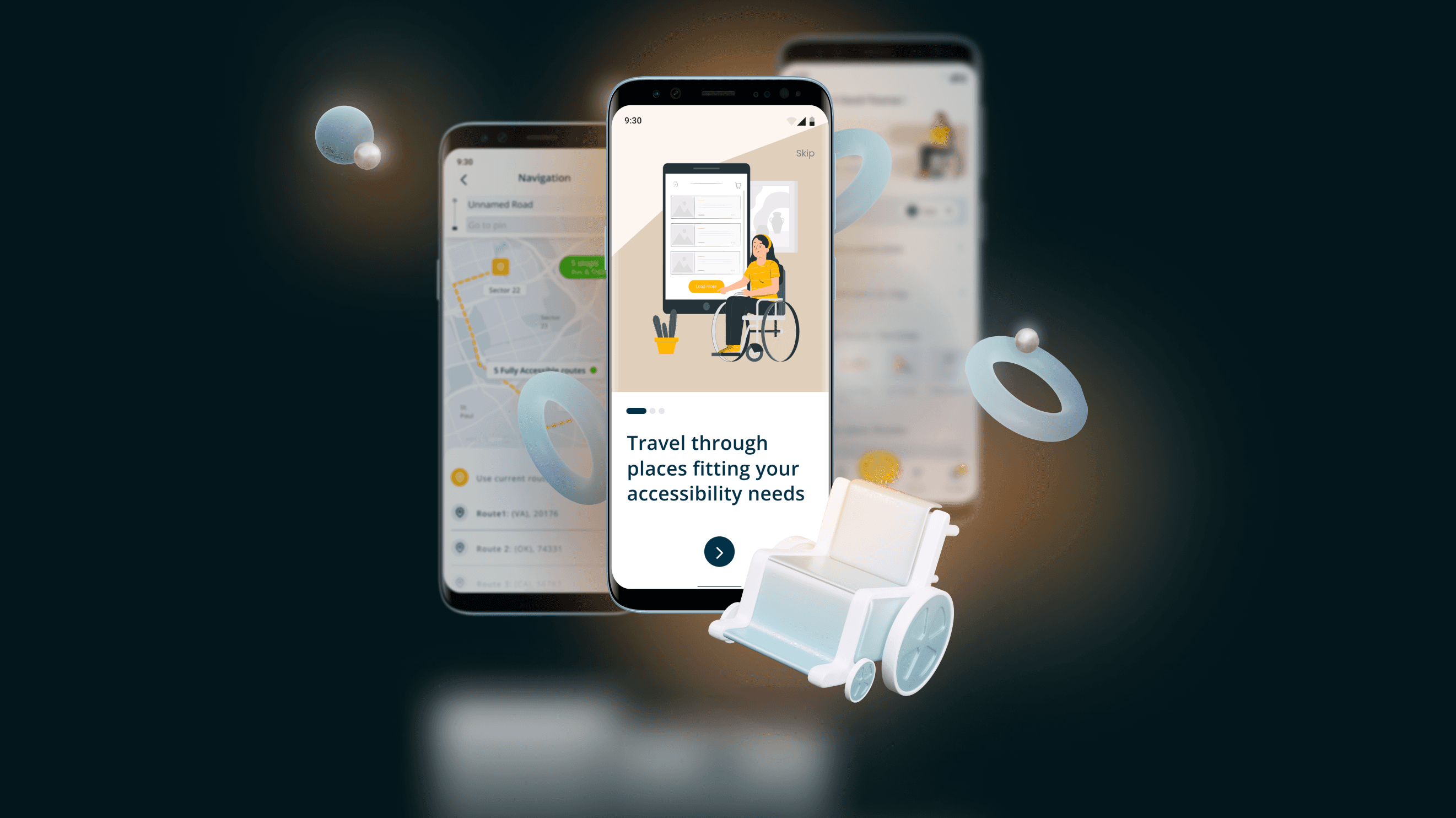
A platform that aims to provide a seamless and accessible assistance service to people with mobility impairments, using Geo-location, On-demand service & real-time tracking, and feedback mechanisms it helps users commute or navigate an environment.
Application Service
Mobility Assist
2 weeks
User Experience Project 3
Mentors
Dr Pranita Ranade
Problem Statement
Due to the lack of accessibility features and barriers, people with mobility impairments frequently face challenges when navigating public spaces. As a result, mobility is restricted, as is access to essential services and social opportunities.
Design Solution
A platform that aims to provide a seamless and accessible assistance service to people with mobility impairments, using Geo-location, On-demand service & real-time tracking, and feedback mechanisms it helps users commute or navigate an environment.
Process
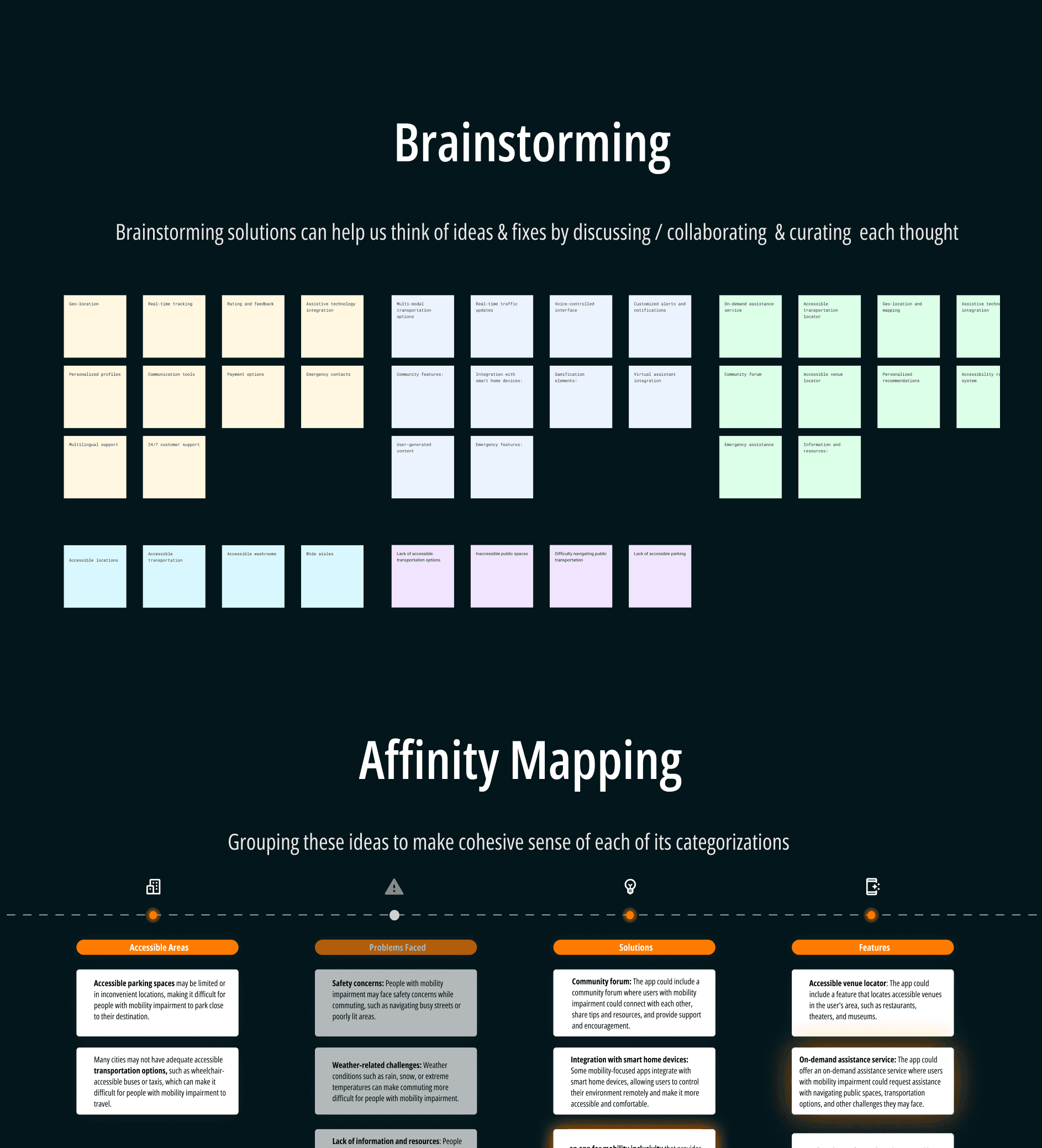
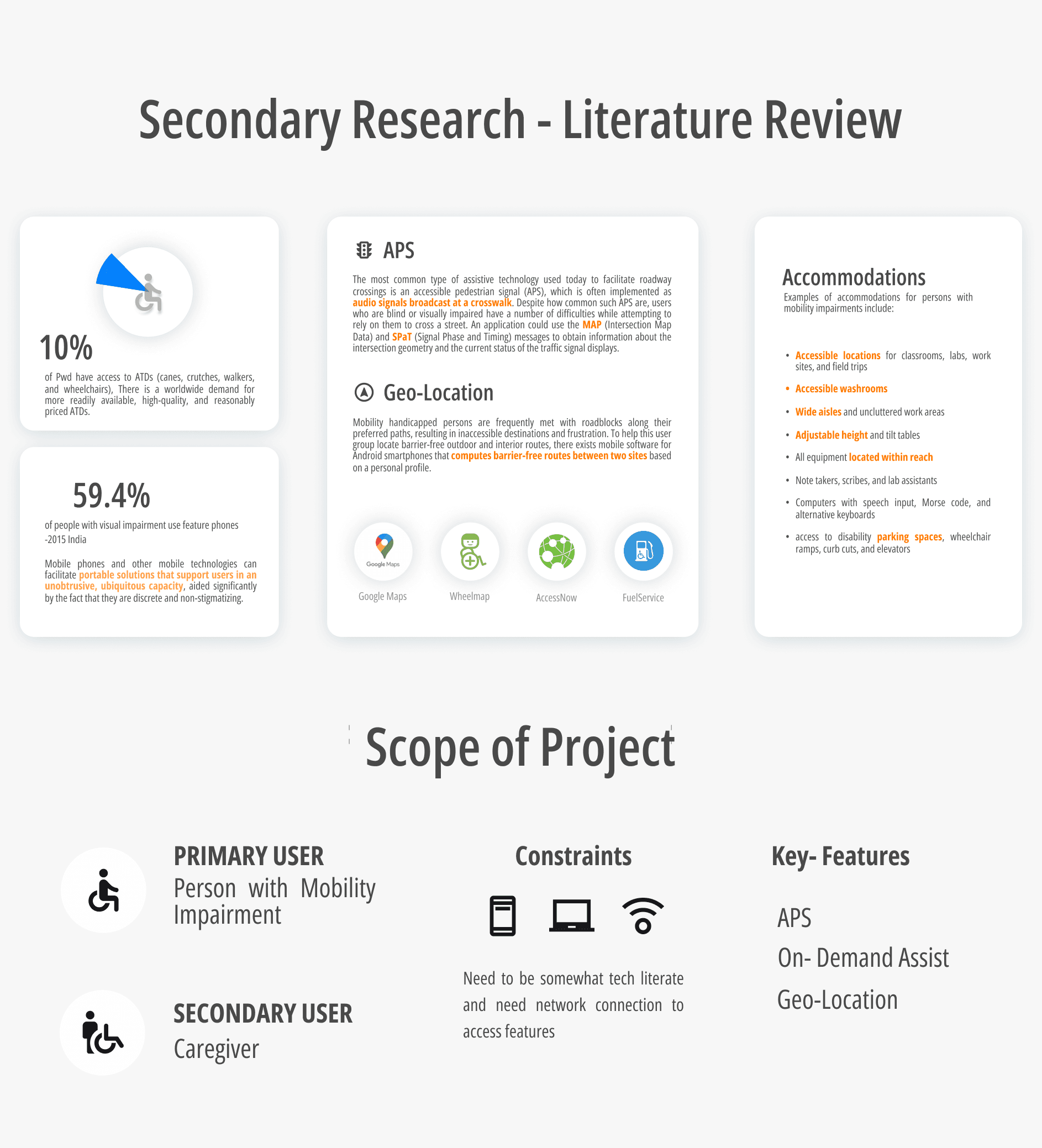
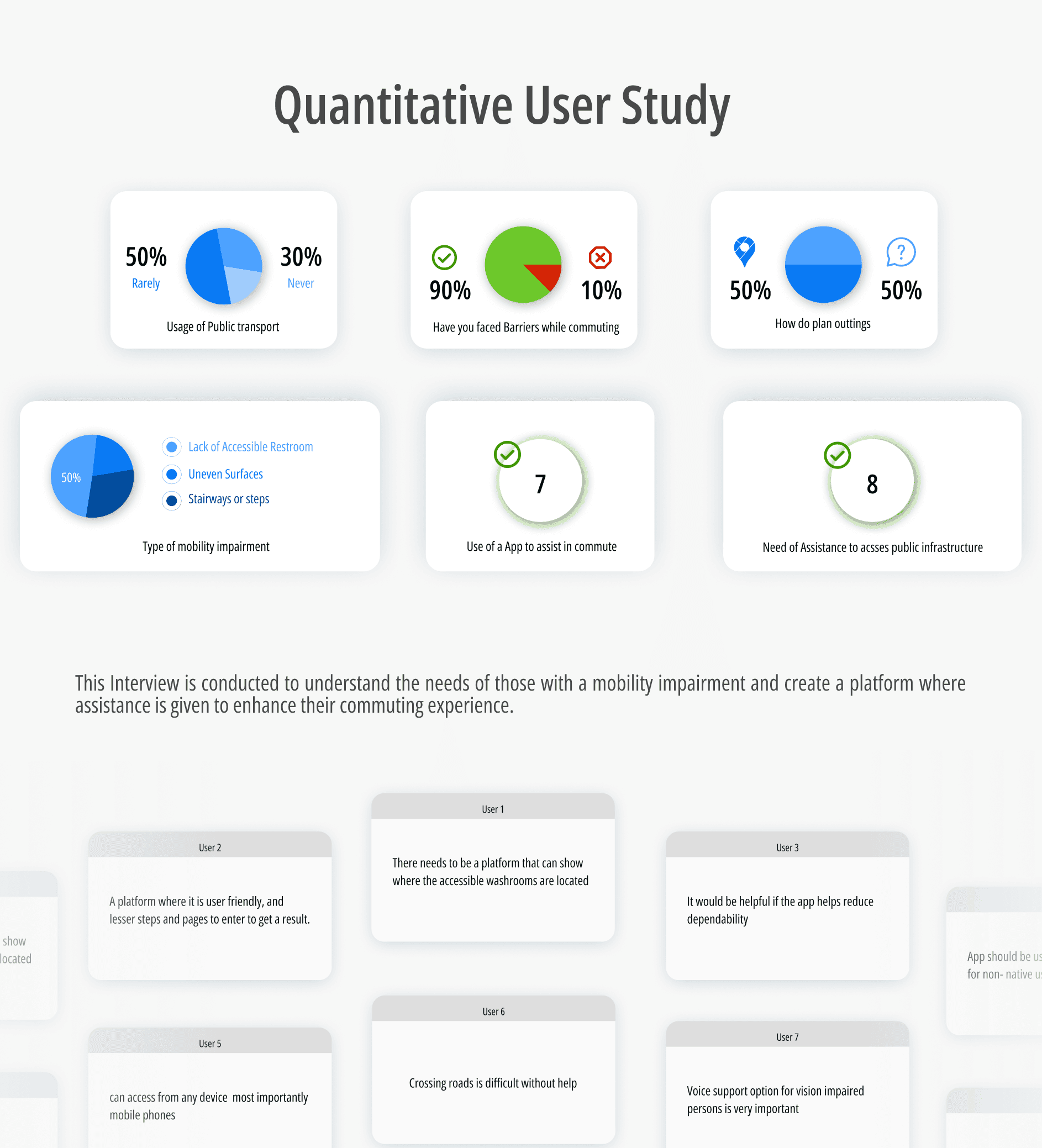
Research & Analysis: conducted user interviews, surveys and competitor apps to understand the pain points and user needs. We also studied competitor apps and industry trends to gather insights
Information Architecture: Based on the research findings, we constructed the app's navigation and content, prioritizing features and information according to user needs.
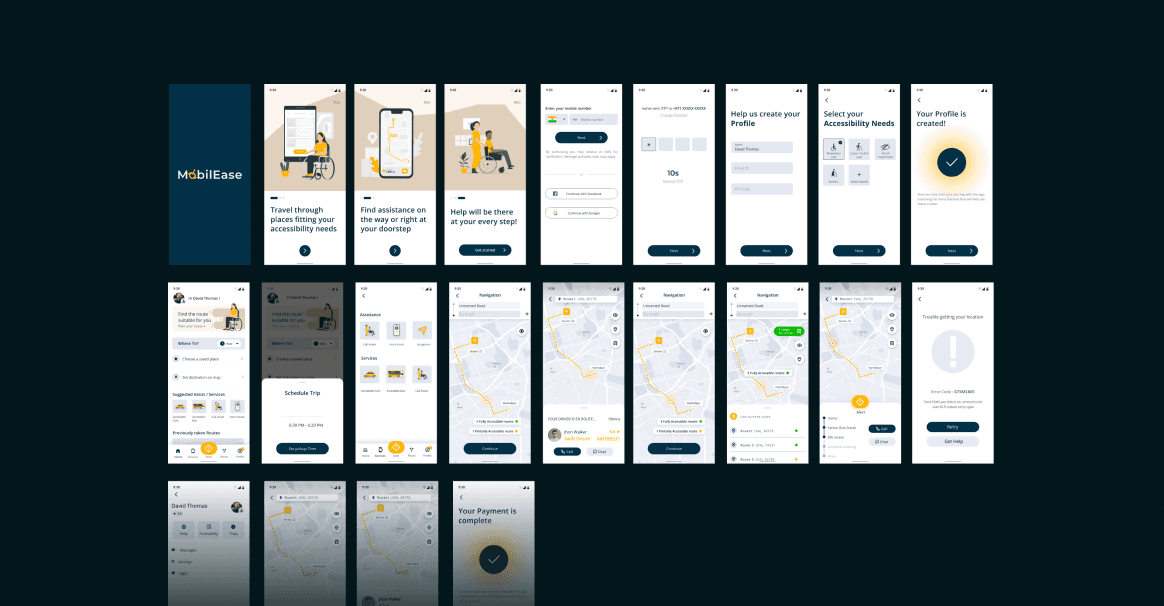
Wireframing & Prototyping: We designed low-fidelity wireframes to visualize the layout and navigation, iteratively refining them based on user feedback. Afterward, we built a high-fidelity, interactive prototype to test the design.
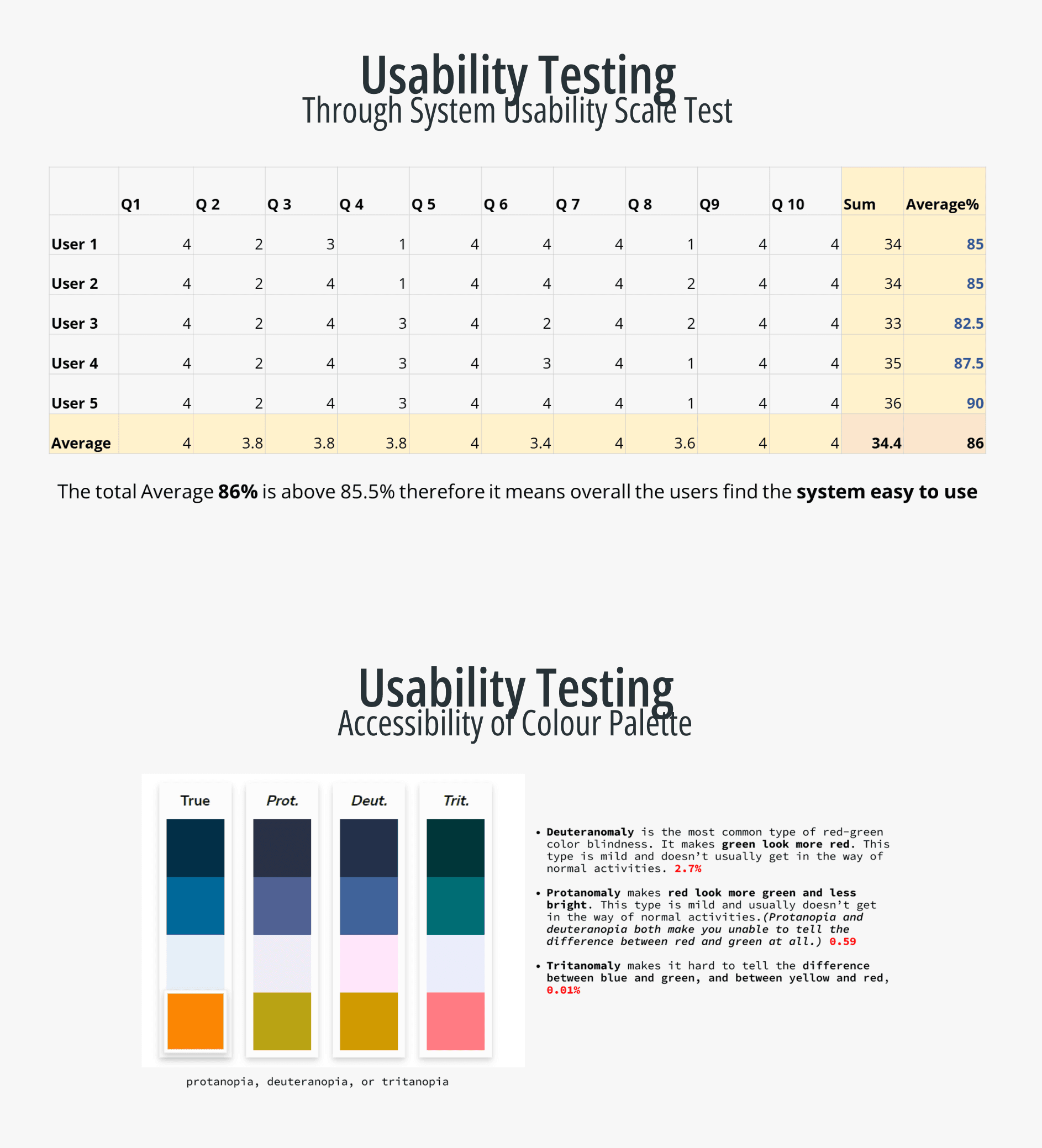
Usability Testing: We conducted usability tests with a diverse group of users to validate the design and identify areas for improvement. Based on the feedback, we made necessary adjustments to the design.
Visual Design & Style Guide: We developed a cohesive visual language, including color schemes, typography, and iconography, ensuring consistency throughout the app. We also created a style guide to maintain design consistency in future updates.









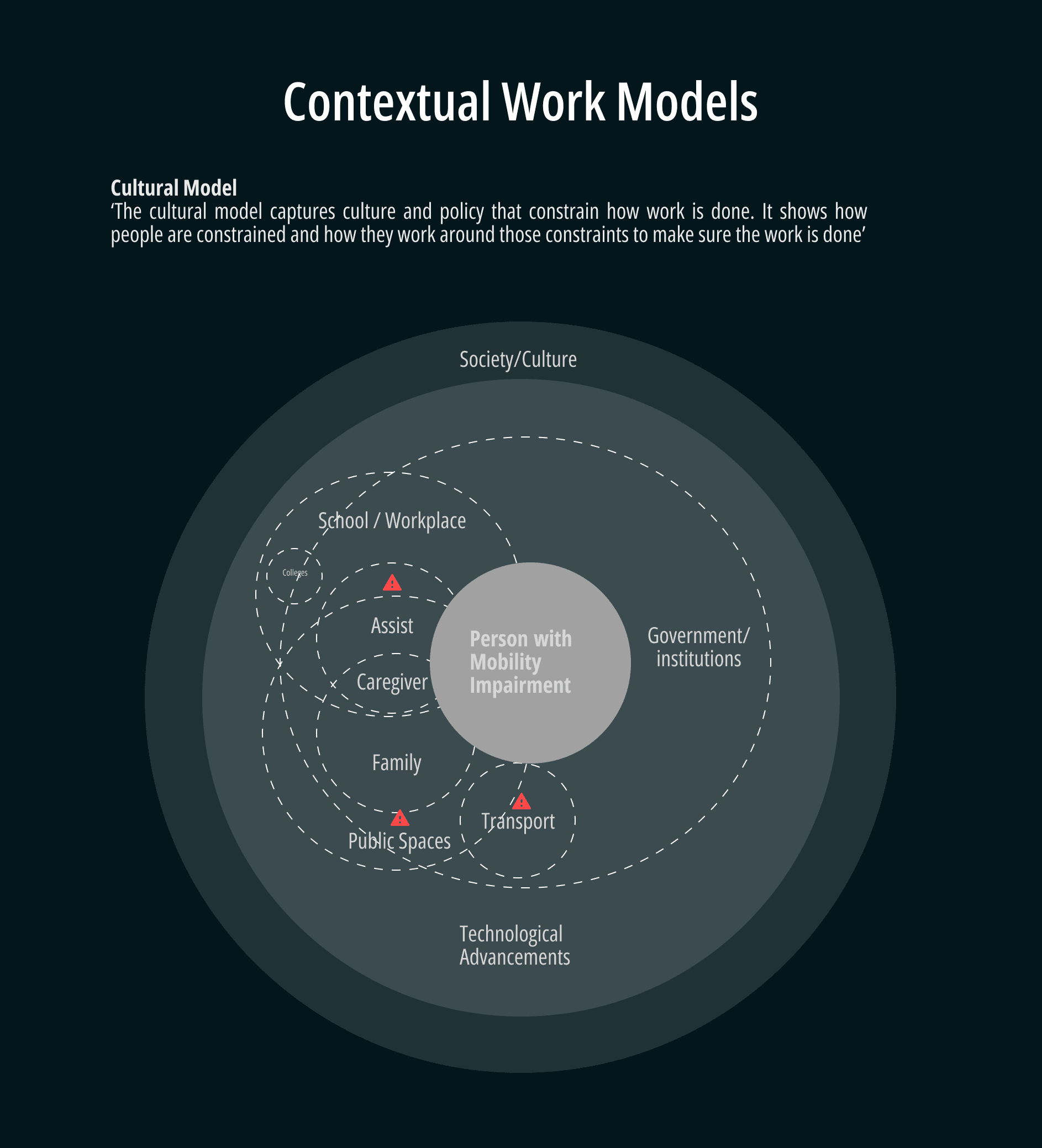
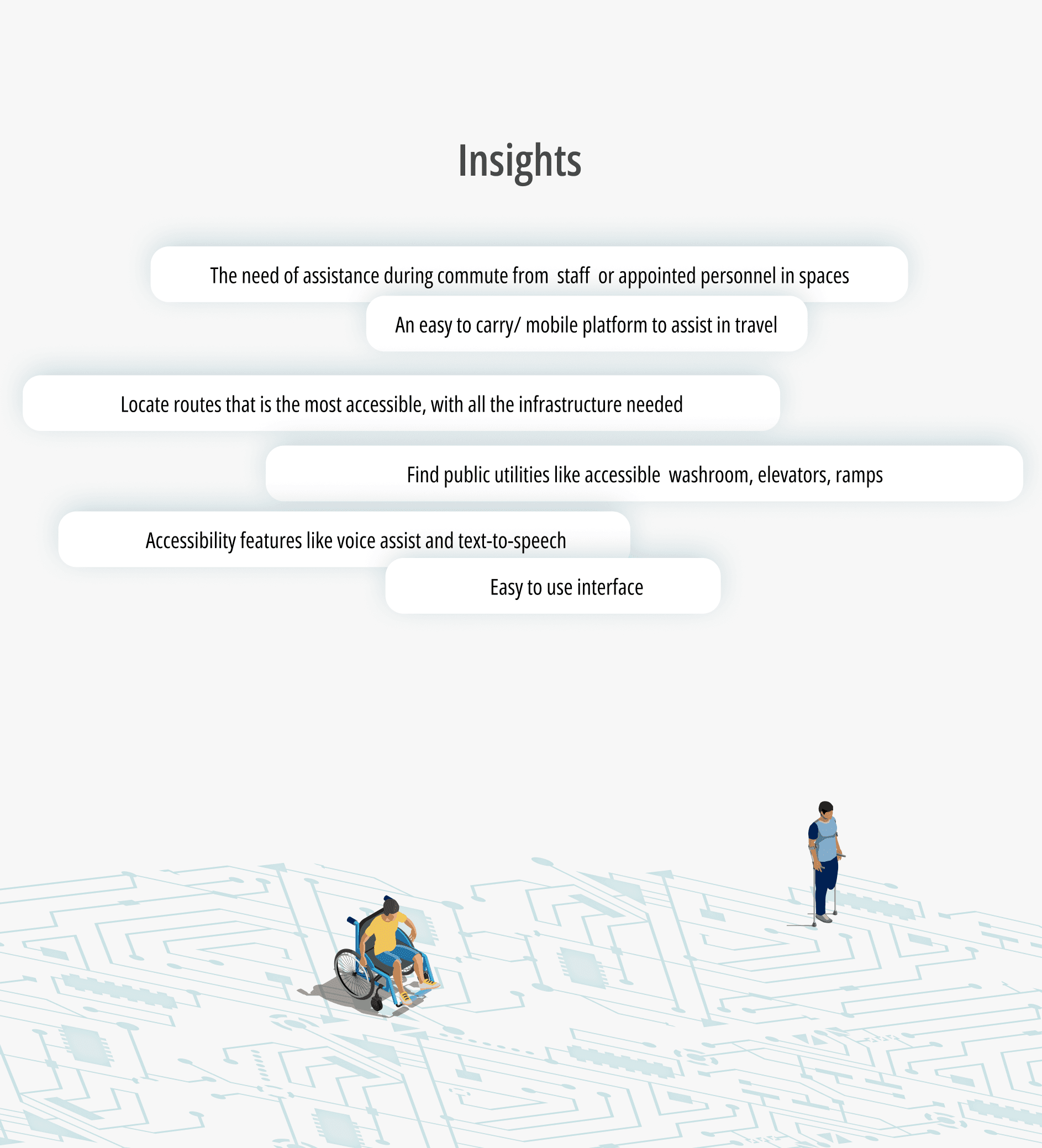
Based on this examination, the core issue behind the challenge "individuals with mobility impairments struggle with transportation" may stem from insufficient presence and acknowledgement of those with disabilities in decision-making procedures and societal conversations, resulting in inadequate focus and prioritization directed toward accessibility concerns.
Conclusion
The approach to developing this app will involve a user-centric design process that prioritizes the needs and preferences of people with mobility impairments. This will involve conducting user research, creating user personas, and iterating on designs based on user feedback. The development process will also involve working closely with trained and certified assistants to ensure that the app meets the needs of both users and assistants.
The scope of this idea/solution is broad and encompasses various aspects of transportation and daily activities. Initially, the app will focus on providing assistance for commuting and other common activities such as grocery shopping, doctor's appointments, and social outings. However, the app's scope can be expanded to include other services such as home healthcare, personal care, and home maintenance, depending on user demand and market opportunities. Additionally, the app can be scaled to other geographic regions beyond the initial target market to achieve wider adoption and impact.